A Complete Guide to Liposuction Michigan Patients Can Trust
@sethipnl209
October 21, 2026 · 15 min read
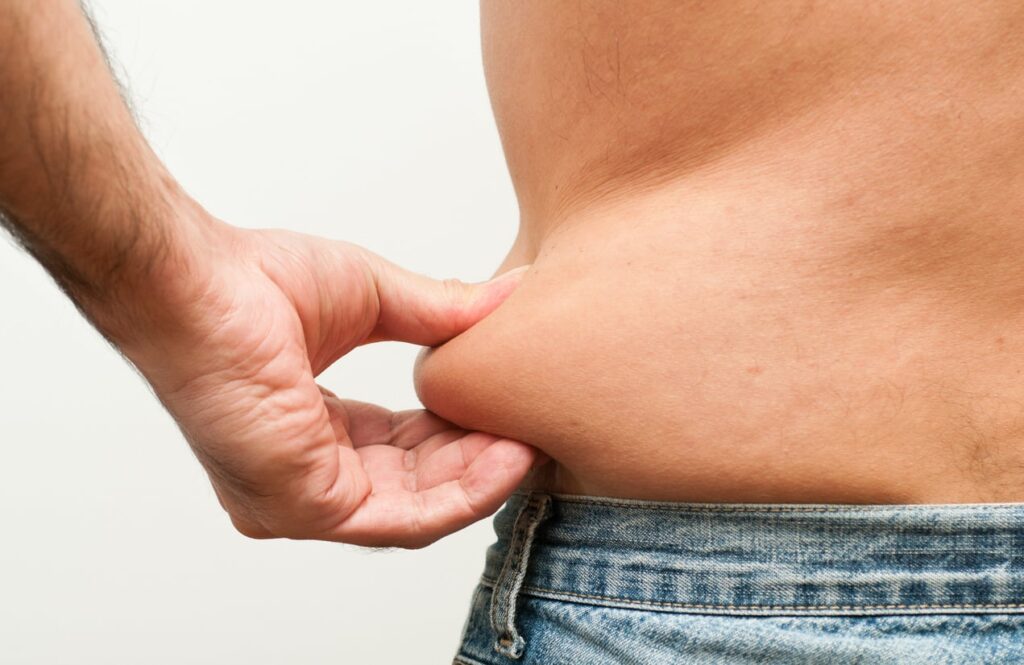
Liposuction is one of the most requested cosmetic procedures in the United States, and for good reason. When it is chosen for the right reasons, planned carefully, and performed by a qualified surgeon, it can reshape areas that have resisted diet and exercise for years. It is not magic, and it is not a substitute for weight loss. What it does well is refine body contours with a level of precision that workouts and meal plans often cannot match.
For Michigan patients, the decision usually starts with a familiar frustration. The scale may be stable, clothing size may be reasonable, and overall health may be solid, yet one or two areas refuse to cooperate. The lower abdomen still bulges. The flanks remain thick. The outer thighs rub. The upper arms look heavier than the rest of the body. This is the real-world territory where liposuction often makes sense.
A trustworthy guide to liposuction has to do more than define the procedure. Patients need to know who benefits, what recovery really feels like, how results evolve, and what separates a careful surgical plan from an aggressive or unrealistic one. Those details matter more than glossy before-and-after photos.
What liposuction actually does
Liposuction removes localized fat deposits through small incisions using a narrow tube called a cannula. The surgeon loosens and suctions out fat to improve shape and proportion. In practice, that means the procedure is about contour, not broad weight reduction.
This distinction gets lost all the time. Someone may come in wanting liposuction because they gained 30 or 40 pounds over several years. In most cases, that person will be better served by first focusing on weight stabilization. Liposuction works best when body weight is already fairly steady and the goal is to refine specific areas. If the underlying issue is general weight gain, the result can be underwhelming, no matter how technically sound the surgery is.
Good candidates usually have decent skin elasticity, realistic expectations, and one or more stubborn fat pockets. Younger patients often have stronger skin recoil, but age alone is not the deciding factor. A healthy 58-year-old with good skin tone and a stable weight may be a better candidate than a 29-year-old whose skin has been stretched significantly after major weight changes.
Why patients in Michigan often seek treatment
The search for Liposuction Michigan services usually reflects more than simple convenience. People want access to board-certified expertise close to home, a practice that offers a thoughtful consultation, and a recovery plan that fits everyday life in the Midwest. Michigan patients are often balancing work schedules, long winters, family obligations, and, in many cases, a desire to recover privately without extensive travel.
Season also plays a practical role. Many patients book consultations in fall or winter so they can recover while naturally wearing looser clothing. Compression garments are easier to tolerate in cooler weather than during a humid July week. That may sound minor, but comfort affects compliance, and compliance affects swelling control and the way the early result settles.
Travel distance matters too. Liposuction is usually an outpatient procedure, but follow-up visits are important. Choosing a surgeon within a manageable drive can make post-operative care simpler, especially if questions come up during the first week.
The body areas most commonly treated
Some areas respond especially well to liposuction because they hold concentrated, pinchable fat and tend to maintain a stable improvement after removal. The abdomen and flanks are among the most common. In men, the waistline often thickens in a way that feels resistant to exercise. In women, lower abdominal fullness may persist despite strong fitness habits.
Thigh contouring is another frequent request. Outer thigh fullness can widen the silhouette, while inner thigh fat may create friction and discomfort in addition to cosmetic concerns. Arms are popular too, particularly for patients who feel self-conscious in sleeveless clothing. Under the chin, liposuction can sharpen the jawline dramatically in the right patient, though neck quality and skin tone matter a great deal.
Back rolls, the bra line, knees, and chest can also be treated. Male chest contouring deserves special mention. Some men assume they need gynecomastia surgery when the issue is mostly fatty fullness rather than glandular tissue. Others need a combination approach because fat removal alone will not flatten the chest adequately. This is exactly why physical examination matters more than online self-diagnosis.
What liposuction cannot fix
One of the most important conversations in any consultation is about limits. Liposuction does not tighten loose abdominal skin. It does not repair separated abdominal muscles. It does not erase cellulite reliably. It does not treat every kind of body asymmetry. And it is not a cure for future weight gain.
A common example is the patient who has had pregnancies and wants a flatter stomach. If the skin has stretched substantially and the abdominal wall has weakened, liposuction alone may make the area look smaller but not smooth. In fact, removing too much fat from a loose abdomen can sometimes emphasize wrinkling or irregularity. That patient may benefit more from an abdominoplasty, sometimes with limited liposuction to blend surrounding areas.
Cellulite is another point of confusion. Since cellulite involves fibrous bands and skin structure, not just excess fat, standard liposuction is not a reliable fix. Some patients do notice a mild improvement if surrounding bulk decreases, but that should be treated as a possible bonus, not a promise.
How a consultation should feel
A good consultation is not a sales event. It is a medical and aesthetic evaluation. The surgeon should ask about your health history, prior surgeries, medications, nicotine use, weight changes, and goals. Then comes the part patients often underestimate, the surgeon studies how your body is built.
That means looking at skin quality, fat thickness, muscle tone, existing asymmetries, and how one area relates to the next. A strong plan is rarely just “take out fat from this spot.” Contouring is about transitions. The waist should flow into the hips. The upper abdomen should match the lower abdomen. The outer thigh should not be reduced so aggressively that it creates a hollow beside a full inner thigh.
Patients should expect candor. If the surgeon thinks your goal is unrealistic, that is valuable information, not bad bedside manner. The safest and most satisfying surgical practices are often the ones willing to say, “This will help, but it will not make you look like a different person.”
Techniques and anesthesia, without the marketing fog
There are several liposuction techniques, and marketing language can make them sound more different than they really are. The basics matter more than the brand names. Most modern liposuction uses tumescent fluid, which is injected into the treatment area to reduce bleeding, improve comfort, and help separate fat. The fat is then removed with suction.
Some surgeons use power-assisted devices, which can make fat removal more efficient in certain areas. Others incorporate ultrasound or laser-assisted methods in selected cases. These tools can be useful, but no technology rescues poor judgment. A skilled surgeon using a straightforward technique will usually outperform an inexperienced one using the newest machine in the room.
Anesthesia depends on the extent of surgery. Small areas may sometimes be treated under local anesthesia with or without oral or IV sedation. Larger contouring cases often use general anesthesia or deeper IV sedation for comfort and safety. The right choice is individualized. Bigger is not always better, and more treatment in a single session is not automatically a win if it increases risk or prolongs recovery unnecessarily.
Choosing a surgeon in Michigan
When people search for Liposuction Michigan options, the most reliable starting point is credentials and experience, not social media popularity. Board certification in plastic surgery matters because it reflects formal surgical training and recognized standards. Equally important is whether the surgeon performs liposuction regularly and has a thoughtful eye for proportion.
Here are a few qualities worth looking for:
- board certification in plastic surgery
- a strong consultation process with clear discussion of risks and limits
- before-and-after examples of patients with body types similar to yours
- accredited surgical facilities and qualified anesthesia providers
- a follow-up plan that does not end after the first post-op visit
Patients sometimes overlook one subtle but critical point: aesthetic taste. Two surgeons can be equally trained and technically sound, yet have different contouring styles. One may favor conservative refinement. Another may sculpt more aggressively. Looking at results helps you understand whether their visual judgment matches your goals.
Preparing for surgery
Preparation starts earlier than most patients expect. Stable weight is important. If your weight tends to swing by 10 to 15 pounds over the course of a year, it is usually better to get that under control before surgery. Consistency gives the surgeon a more reliable baseline and gives you a better chance of long-lasting satisfaction.
Nicotine deserves special attention. Smoking, vaping nicotine, and some nicotine replacement products can interfere with blood flow and healing. Many practices require patients to stop well before and after surgery. This is not a box-checking exercise. Complications become more likely when nicotine is involved, especially with skin healing.
Certain medications and supplements may need to be paused because they can increase bleeding. This should always be done under medical guidance, especially for prescription drugs. You will also need a ride home and, depending on the extent of surgery, someone to stay with you initially.
On a practical level, set up your recovery space in advance. Place frequently used items at waist level so you are not reaching high or bending repeatedly. Have loose clothing ready. Compression garments should be fitted and available before surgery day, not ordered after you get home and realize you need them immediately.
Recovery, as patients actually experience it
Recovery is usually more manageable than many people fear, but it is rarely effortless. The first several days often feel like a deep bruise combined with stiffness and swelling. If multiple areas are treated, rolling over in bed, getting up from a chair, or climbing stairs can feel awkward at first. Most patients are up and walking the same day, which is encouraged, but “walking” in this context means gentle movement, not a power walk around the block.
Drainage from the tiny incision sites can happen early on, especially when tumescent fluid escapes. This can be messy, but it is often expected. Bruising peaks and then fades. Swelling lasts longer than many patients anticipate. People tend to judge their result too early, especially around the two- to three-week mark when some bruising is gone but puffiness remains.
A typical recovery timeline often looks something like this:
- the first week is focused on soreness, swelling control, and short walks
- by two weeks, many patients feel functional but still look more swollen than they expected
- between four and six weeks, shape starts to look more defined in many cases
- several months are often needed for final contour and skin settling
- numbness or firmness can linger longer than patients assume, especially in larger areas
Compression garments are one of the least glamorous but most useful parts of recovery. They help control swelling, support tissues, and make movement more comfortable. Patients who wear them as directed generally report a smoother early recovery than those who stop too soon because the garment feels inconvenient.
Massage or lymphatic drainage is sometimes discussed after liposuction. Some surgeons recommend it selectively, while others do not rely on it routinely. Practices vary. What matters is following the protocol of the operating surgeon, since they know how aggressively the area was treated and what kind of tissue response they expect.
Risks, trade-offs, and the importance of restraint
Every surgery has risks, and liposuction is no exception. The most common concerns include contour irregularities, prolonged swelling, asymmetry, numbness, fluid accumulation, and dissatisfaction with the final shape. More serious complications, while less common, can include infection, bleeding, blood clots, or anesthesia-related problems.
One of the biggest aesthetic risks comes from overcorrection. Patients often assume that more fat removal means a better result. In reality, Liposuction Michigan excessive suction can produce dents, waviness, or an unnaturally skeletonized look. The body needs smooth transitions and a healthy layer of soft tissue. Skilled liposuction is often about knowing when to stop.
There is also a trade-off between treating more areas at once and preserving an easier recovery. A patient may want abdomen, flanks, back, thighs, and arms addressed in a single operation. Sometimes that can be done safely, depending on the individual and the surgeon’s judgment. Sometimes staging procedures is the better call. It may feel less efficient, but it can improve safety and precision.
How results last over time
Fat cells removed by liposuction are gone permanently. That is the simple version, and it is true. The fuller truth is that remaining fat cells can still enlarge if weight increases significantly. So while the treated area often maintains an improved shape, it is not immune to future changes.
Patients who keep a stable routine tend to enjoy durable results for years. Those who regain a noticeable amount of weight may still look somewhat better proportioned than before surgery, but the contour advantage can diminish. This is why surgeons talk so much about maintenance. The operation creates a new baseline. Your habits determine how well that baseline holds.
Hormonal changes, aging, menopause, pregnancy, and medication effects can all influence fat distribution after surgery. None of this means the procedure has failed. Bodies continue to change over time. The goal is improvement that remains meaningful and natural, not permanent stasis.
Cost, value, and what patients should ask
Liposuction costs vary depending on the number of areas treated, the complexity of the case, anesthesia fees, facility fees, and geography. In Michigan, pricing may differ between metro areas and smaller markets, and between a small single-area procedure and a more comprehensive contouring plan. Because pricing structures differ by practice, patients should make sure they understand what is included.
A lower quote is not always a bargain. If it excludes garments, follow-up care, or anesthesia, the final cost may climb. More importantly, revision surgery is far more expensive, emotionally and financially, than choosing carefully the first time.
Ask direct questions. How many areas are being treated? Who provides anesthesia? Where is surgery performed? What kind of recovery support is included? What is the revision policy if a minor contour touch-up is needed later? Straight answers usually signal a well-run practice.
When another procedure may be a better fit
Some patients come in convinced they need liposuction, only to learn that another option fits their anatomy better. This happens often after major weight loss or pregnancies. If there is significant loose skin on the abdomen, arms, or thighs, skin removal procedures may provide a more meaningful change. Liposuction can be part of the plan, but not the entire answer.
For fullness under the chin, injectable treatments or energy-based devices may be discussed in mild cases, though they tend to produce subtler changes than surgical liposuction. For body contouring in patients who are close to goal weight but want only modest improvement, non-surgical fat reduction can sometimes help. The trade-off is usually less dramatic change, less predictability, and often multiple sessions.
The right procedure is the one that matches the tissue problem. Fat needs one strategy. Loose skin needs another. Muscle laxity needs another still.
A realistic mindset produces the best outcomes
The happiest liposuction patients tend to share a few traits. They are not chasing perfection. They understand that swelling takes time. They see surgery as a tool, not a rescue mission. And they choose a surgeon based on judgment and consistency rather than hype.
That mindset matters because body contouring is deeply personal. Two patients can have the same amount of abdominal fat and very different definitions of success. One wants a subtle waistline improvement and better fit in clothing. Another wants a more athletic transition from ribs to hips. Neither goal is wrong, but each requires clear communication.
For anyone researching Liposuction Michigan providers, trust is built in the details: the consultation that does not rush, the surgeon who explains what not to do, the staff who prepare you for swelling rather than pretending it barely exists, the follow-up visit where questions are welcomed instead of brushed aside. Those signs are often more meaningful than flashy advertising.
Liposuction remains one of the most effective procedures for targeted fat reduction because, in the right hands, it solves a specific problem with precision. It can sharpen the waist, slim the thighs, refine the arms, and restore proportion in a way exercise alone sometimes cannot. But the procedure works best when it is approached with discipline, honest expectations, and respect for the anatomy involved.
Patients who take the time to choose carefully, ask better questions, and plan for the full recovery period usually feel that the process was worth it. Not because surgery changed everything, but because it improved something that had bothered them for a long time, and did so in a way that looked balanced, believable, and lasting.
Aesthetic Plastic Surgery & Laser Center, Michelle Hardaway M.D.
27920 Orchard Lake Rd, Farmington Hills, MI 48334, United States
+1 248-221-1957
FAQ About Liposuction Michigan
Is 55 too old for liposuction?
Age 55 alone does not determine suitability. A surgeon evaluates overall health, skin quality, healing risks, and realistic goals. A personal consultation is needed to assess candidacy and discuss alternatives.
What happens 10 years after liposuction?
Contour improvements can last, especially with stable weight. Aging, pregnancy, and weight changes can alter the appearance over time. Results vary, and liposuction does not prevent future body changes.
Can lipo get rid of an apron belly?
Liposuction reduces localized fat but does not remove hanging excess skin. An apron belly may require assessment for a skin-removal procedure instead of, or alongside, fat removal. A qualified plastic surgeon can explain appropriate options and their risks.